
CHIC MOM CLUB
Where Lifestyle and Motherhood Intertwine.
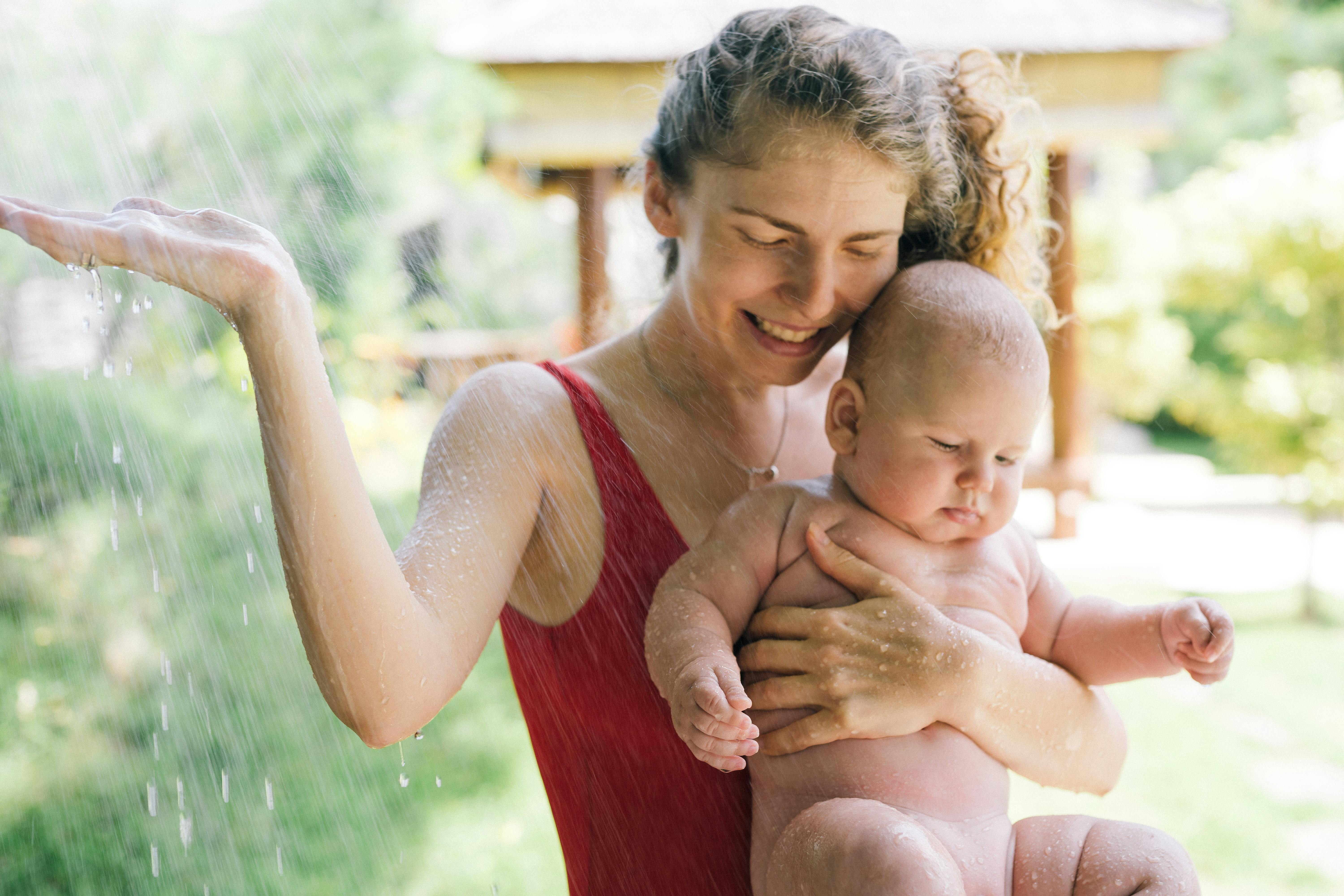
Motherhood is beautiful — and busy.
Between school runs, work deadlines, laundry piles, and endless to-do lists, it’s easy to be physically present but mentally somewhere else. You’re with your kids… but thinking about dinner. Listening to their story… but checking your phone.
Mindfulness isn’t about becoming a perfectly calm mom.
It’s about learning how to truly be there — even in the middle of chaos.
Here’s how to practice mindfulness in simple, realistic ways that fit into real mom life.
Mindfulness is the practice of paying attention to the present moment — without judgment.
For moms, that means:
Listening fully when your child speaks
Not rushing through moments just to “get to the next thing”
Not mentally replaying mistakes from earlier
Not worrying about tomorrow while living today
It’s not about adding another task to your list.
It’s about changing how you experience the moments already happening.
You don’t need an hour of meditation.
Start with one pause.
Try this:
Before getting out of bed, take 3 slow breaths.
Before entering your home after work, pause in the car for 60 seconds.
Before responding to a tantrum, inhale and exhale slowly once.
These micro-pauses reset your nervous system.
When you regulate yourself, your child feels it.
Technology is one of the biggest barriers to presence.
Choose one consistent daily moment where your phone is completely away:
Breakfast time
After-school conversation
Bedtime routine
Family dinner
Make eye contact.
Listen without interrupting.
Resist the urge to multitask.
Children don’t measure love by perfection — they measure it by attention.
Moms are masters of multitasking. But constant multitasking trains your brain to stay scattered.
Instead:
When you’re playing, just play.
When you’re cooking, just cook.
When you’re helping with homework, just focus on that.
If your mind wanders (and it will), gently bring it back.
The goal isn’t perfection — it’s awareness.
Mindfulness doesn’t require silence or candles.
You can practice it during:
Bath time (notice the warmth of the water)
A walk outside (observe sounds, colors, smells)
Holding your child’s hand (feel the weight and warmth)
Folding laundry (notice the textures and rhythm)
When you slow down even slightly, ordinary moments feel fuller.
One of the most powerful mindfulness tools for moms is the pause before response.
When your child:
Talks back
Refuses to listen
Has a meltdown
Instead of reacting immediately:
Take one deep breath.
Notice what you’re feeling (anger, frustration, exhaustion).
Then respond.
This small gap builds emotional control — and models healthy regulation for your kids.
Your calm teaches more than your words ever will.
You will:
Get distracted.
Lose patience.
Think about your to-do list mid-conversation.
That’s human.
Mindfulness isn’t about never drifting — it’s about gently coming back.
Every time you notice and return to the present moment, you are strengthening that muscle.
A regulated mom is a present mom.
Try a simple daily reset:
Step outside for fresh air.
Stretch your shoulders and neck.
Breathe deeply for 2–3 minutes.
Pray, journal, or sit quietly.
Five intentional minutes can change the tone of your entire day.
When your child tells you something — even if it’s about a cartoon or a random detail — practice:
Making eye contact
Nodding and responding
Asking one follow-up question
To them, that story matters.
And when they feel heard in small moments, they’ll trust you with the big ones later.
When you practice presence:
Your child feels emotionally safe.
They learn how to regulate their own emotions.
They feel valued and seen.
Your connection deepens.
Presence builds attachment.
Attachment builds confidence.
Confidence builds resilient children.
You don’t need to create magical Pinterest moments.
You need:
Eye contact
A calm tone
A few intentional pauses
Genuine listening
Years from now, your children won’t remember how productive you were.
They’ll remember how it felt to be with you.
Mindfulness is simply choosing to be there — again and again — in the middle of ordinary life.
And that is more than enough.
One or more of the links above are affiliate links, meaning, at no additional cost to you, we will earn a slight commission if you click through and make a purchase. Each of these products is chosen by a trusted member of our team.


Motherhood is beautiful — and busy.
Between school runs, work deadlines, laundry piles, and endless to-do lists, it’s easy to be physically present but mentally somewhere else. You’re with your kids… but thinking about dinner. Listening to their story… but checking your phone.
Mindfulness isn’t about becoming a perfectly calm mom.
It’s about learning how to truly be there — even in the middle of chaos.
Here’s how to practice mindfulness in simple, realistic ways that fit into real mom life.
Mindfulness is the practice of paying attention to the present moment — without judgment.
For moms, that means:
Listening fully when your child speaks
Not rushing through moments just to “get to the next thing”
Not mentally replaying mistakes from earlier
Not worrying about tomorrow while living today
It’s not about adding another task to your list.
It’s about changing how you experience the moments already happening.
You don’t need an hour of meditation.
Start with one pause.
Try this:
Before getting out of bed, take 3 slow breaths.
Before entering your home after work, pause in the car for 60 seconds.
Before responding to a tantrum, inhale and exhale slowly once.
These micro-pauses reset your nervous system.
When you regulate yourself, your child feels it.
Technology is one of the biggest barriers to presence.
Choose one consistent daily moment where your phone is completely away:
Breakfast time
After-school conversation
Bedtime routine
Family dinner
Make eye contact.
Listen without interrupting.
Resist the urge to multitask.
Children don’t measure love by perfection — they measure it by attention.
Moms are masters of multitasking. But constant multitasking trains your brain to stay scattered.
Instead:
When you’re playing, just play.
When you’re cooking, just cook.
When you’re helping with homework, just focus on that.
If your mind wanders (and it will), gently bring it back.
The goal isn’t perfection — it’s awareness.
Mindfulness doesn’t require silence or candles.
You can practice it during:
Bath time (notice the warmth of the water)
A walk outside (observe sounds, colors, smells)
Holding your child’s hand (feel the weight and warmth)
Folding laundry (notice the textures and rhythm)
When you slow down even slightly, ordinary moments feel fuller.
One of the most powerful mindfulness tools for moms is the pause before response.
When your child:
Talks back
Refuses to listen
Has a meltdown
Instead of reacting immediately:
Take one deep breath.
Notice what you’re feeling (anger, frustration, exhaustion).
Then respond.
This small gap builds emotional control — and models healthy regulation for your kids.
Your calm teaches more than your words ever will.
You will:
Get distracted.
Lose patience.
Think about your to-do list mid-conversation.
That’s human.
Mindfulness isn’t about never drifting — it’s about gently coming back.
Every time you notice and return to the present moment, you are strengthening that muscle.
A regulated mom is a present mom.
Try a simple daily reset:
Step outside for fresh air.
Stretch your shoulders and neck.
Breathe deeply for 2–3 minutes.
Pray, journal, or sit quietly.
Five intentional minutes can change the tone of your entire day.
When your child tells you something — even if it’s about a cartoon or a random detail — practice:
Making eye contact
Nodding and responding
Asking one follow-up question
To them, that story matters.
And when they feel heard in small moments, they’ll trust you with the big ones later.
When you practice presence:
Your child feels emotionally safe.
They learn how to regulate their own emotions.
They feel valued and seen.
Your connection deepens.
Presence builds attachment.
Attachment builds confidence.
Confidence builds resilient children.
You don’t need to create magical Pinterest moments.
You need:
Eye contact
A calm tone
A few intentional pauses
Genuine listening
Years from now, your children won’t remember how productive you were.
They’ll remember how it felt to be with you.
Mindfulness is simply choosing to be there — again and again — in the middle of ordinary life.
And that is more than enough.
One or more of the links above are affiliate links, meaning, at no additional cost to you, we will earn a slight commission if you click through and make a purchase. Each of these products is chosen by a trusted member of our team.

Motherhood is beautiful — and busy.
Between school runs, work deadlines, laundry piles, and endless to-do lists, it’s easy to be physically present but mentally somewhere else. You’re with your kids… but thinking about dinner. Listening to their story… but checking your phone.
Mindfulness isn’t about becoming a perfectly calm mom.
It’s about learning how to truly be there — even in the middle of chaos.
Here’s how to practice mindfulness in simple, realistic ways that fit into real mom life.
Mindfulness is the practice of paying attention to the present moment — without judgment.
For moms, that means:
Listening fully when your child speaks
Not rushing through moments just to “get to the next thing”
Not mentally replaying mistakes from earlier
Not worrying about tomorrow while living today
It’s not about adding another task to your list.
It’s about changing how you experience the moments already happening.
You don’t need an hour of meditation.
Start with one pause.
Try this:
Before getting out of bed, take 3 slow breaths.
Before entering your home after work, pause in the car for 60 seconds.
Before responding to a tantrum, inhale and exhale slowly once.
These micro-pauses reset your nervous system.
When you regulate yourself, your child feels it.
Technology is one of the biggest barriers to presence.
Choose one consistent daily moment where your phone is completely away:
Breakfast time
After-school conversation
Bedtime routine
Family dinner
Make eye contact.
Listen without interrupting.
Resist the urge to multitask.
Children don’t measure love by perfection — they measure it by attention.
Moms are masters of multitasking. But constant multitasking trains your brain to stay scattered.
Instead:
When you’re playing, just play.
When you’re cooking, just cook.
When you’re helping with homework, just focus on that.
If your mind wanders (and it will), gently bring it back.
The goal isn’t perfection — it’s awareness.
Mindfulness doesn’t require silence or candles.
You can practice it during:
Bath time (notice the warmth of the water)
A walk outside (observe sounds, colors, smells)
Holding your child’s hand (feel the weight and warmth)
Folding laundry (notice the textures and rhythm)
When you slow down even slightly, ordinary moments feel fuller.
One of the most powerful mindfulness tools for moms is the pause before response.
When your child:
Talks back
Refuses to listen
Has a meltdown
Instead of reacting immediately:
Take one deep breath.
Notice what you’re feeling (anger, frustration, exhaustion).
Then respond.
This small gap builds emotional control — and models healthy regulation for your kids.
Your calm teaches more than your words ever will.
You will:
Get distracted.
Lose patience.
Think about your to-do list mid-conversation.
That’s human.
Mindfulness isn’t about never drifting — it’s about gently coming back.
Every time you notice and return to the present moment, you are strengthening that muscle.
A regulated mom is a present mom.
Try a simple daily reset:
Step outside for fresh air.
Stretch your shoulders and neck.
Breathe deeply for 2–3 minutes.
Pray, journal, or sit quietly.
Five intentional minutes can change the tone of your entire day.
When your child tells you something — even if it’s about a cartoon or a random detail — practice:
Making eye contact
Nodding and responding
Asking one follow-up question
To them, that story matters.
And when they feel heard in small moments, they’ll trust you with the big ones later.
When you practice presence:
Your child feels emotionally safe.
They learn how to regulate their own emotions.
They feel valued and seen.
Your connection deepens.
Presence builds attachment.
Attachment builds confidence.
Confidence builds resilient children.
You don’t need to create magical Pinterest moments.
You need:
Eye contact
A calm tone
A few intentional pauses
Genuine listening
Years from now, your children won’t remember how productive you were.
They’ll remember how it felt to be with you.
Mindfulness is simply choosing to be there — again and again — in the middle of ordinary life.
And that is more than enough.
One or more of the links above are affiliate links, meaning, at no additional cost to you, we will earn a slight commission if you click through and make a purchase. Each of these products is chosen by a trusted member of our team.

ABOUT US
At Chic Mom Club we are dedicated to inspiring and empowering modern moms everywhere. Our mission is to help moms elevate their daily routines and live their best lives through sharing helpful tips, engaging stories, and practical advice. From fashion and beauty to home decor and family travel, we cover all aspects of the mom lifestyle.
- Chic Mom Club
CATEGORIES
WHO WE ARE

CONFIDENCE
Chic Mom Club is a lifestyle blog dedicated to inspiring and empowering modern moms everywhere.

COMMUNITY
Our mission is to help moms elevate their daily routines and live their best lives through sharing helpful tips, engaging stories, and practical advice.

MOTHERHOOD
From fashion and beauty to home decor and family travel, we cover all aspects of the mom lifestyle.
JOIN THE CLUB
New posts each week,
tailored to moms.
Copyright 2024 - Chic Mom Club